Back to the overview

Core product

The laptop that can run the model.

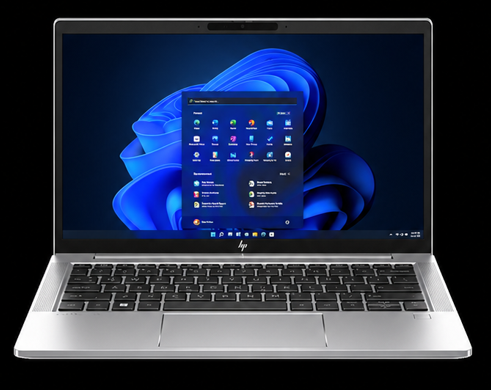
A 13.3-inch Windows 11 laptop, 1920 × 1080, with a 13th-generation Intel Core i7 class CPU, 32 GB of memory, and a 1 TB SSD. The exact model can vary slightly. Memory, storage, and a similar CPU stay the same. The local model and the survival library are loaded before it ships. Power it on and ask.

$1,049

Shipping included in the continental USA. USA territories add $10. Warranty is 60 days.

This machine.

A 13.3-inch Windows 11 laptop, 1920 × 1080, with a 13th-generation Intel Core i7 class CPU, 32 GB, and a 1 TB SSD. The exact model can vary slightly from shipment to shipment. Memory, storage, and a similar CPU stay the same.

Model13.3-inch Windows 11 business laptop. The exact model can vary slightly. Shown: HP EliteBook 630 G10 class.
ConditionRestored, good. Small scuffs, barely visible at arm’s length. Screen cleaned, minor wear. Tested, inspected, and cleaned.
Display13.3-inch, 1920 × 1080.
ProcessorIntel Core i7, 13th generation, 10 cores
Memory32 GB RAM
Storage1 TB SSD
SystemWindows 11
Video outHDMI
CameraBuilt-in webcam
BatteryRefurbished cell holding 80% or more of its original capacity
Warranty60 days
Models on the driveGPT-OSS 20B, Gemma 4 26B A4B, and Qwen2.5 3B-instruct. All three are downloaded, and the laptop was tested with each of them. New models can be downloaded in LM Studio, which is already installed.
LibraryAnythingLLM is installed and used for retrieval. More than 100 PDFs are already vectorized. More documents can be added and vectorized to widen the survival knowledge. Any language. Works offline.
Power in the boxAC adapter, 110–220 V, and a USB charging cable
Text to MorseIncluded. Type a message and turn it into Morse.
Still to be addedOffline maps, and description search for your own photos.

This is a restored business notebook, not a factory-sealed new unit. The memory and the 10-core i7 are what let it run the larger local model. An 8 GB machine in this product category cannot.

On the drive

What a local model means.

The model is a set of weights stored on the SSD. When you ask a question, the 10-core processor and the 32 GB of memory do the arithmetic on this laptop. The answer is computed here. It does not leave for an account in a data center, and it does not wait on a signal.

Where it runs

LM Studio, on this CPU.

The models run in LM Studio, which is already installed. GPT-OSS 20B, Gemma 4 26B A4B, and Qwen2.5 3B-instruct are downloaded, and the laptop was tested with each of them. A new model is a download inside LM Studio. The weights stay on the drive.

What you give up

The network is optional.

Windows can join a network later if you want an update. The model does not need that connection to answer. There is no subscription and no prompt quota. The limit is the hardware in front of you.

What you keep

A full assistant.

The survival library is the specialization. The model itself is a general one. You can ask it what you would ask any advanced assistant, in the language you already speak, on an ordinary afternoon or in an outage.

Which model

The models already on the drive.

Three models are already on the SSD. The laptop was tested with each of them in LM Studio. Qwen2.5 3B-instruct answers most questions very well and is the one to leave loaded. The larger two are there when a question needs more room. Past about 16 billion parameters, answers on this CPU slow down a lot. Another model is a download in LM Studio, which is already installed. Stay under 26 billion parameters.

Downloaded and tested

GPT-OSS 20B

About 20 billion parameters. It can hold the question, the passages from the library, and a longer answer. It was one of the models used in testing. On this CPU it is already past the size where replies stay quick, so use it when the smaller model is not enough.

Downloaded and tested

Gemma 4 26B A4B

26 billion parameters, with about 4 billion active on each reply. That is why a model of this size still fits beside the library index. It was downloaded and tested on this laptop along with the other two.

Downloaded and tested

Qwen2.5 3B-instruct

A 3-billion-parameter instruction model, and the fastest of the three. It already answers most questions very well, including the practical ones. Reach for a larger model only when a question needs the extra room. Past about 16 billion parameters, replies on this CPU slow down a lot.

Already installed

Add a model in LM Studio.

The three above are the ones that shipped and were tested. LM Studio is on the machine, so a new model is a download inside that app. Choose one under 26 billion parameters. Even the smallest model installed, Qwen2.5 3B-instruct, answers most questions very well. Past about 16 billion parameters, the reply slows down a lot on this CPU, so a larger download is rarely the better daily choice.

The library

More than 100 PDFs, already vectorized.

The survival library is more than 100 PDFs on the SSD. They are not left as a folder you have to open. Each document is split into passages, and each passage is stored as a vector: a numerical fingerprint of what that passage means. That index is what retrieval-augmented generation uses. AnythingLLM is installed on this laptop and is the app that holds the index and queries it.

01 — Split

Pages become passages.

A long manual is cut into short pieces a model can read in one look. Water treatment, a wiring check, a first-aid step, and a canning time each become their own passage instead of one file you have to skim.

02 — Vector

Meaning, not just the words.

Each passage is turned into a vector and saved in the index. A question about boiling water can meet the passage about disinfection even when you did not use the manual’s heading. The match is by meaning, on the drive, with no search engine in between.

03 — Answer

The model writes from those pages.

AnythingLLM hands the closest passages to the model running in LM Studio. The model writes a short answer from those pages and from what it already knows. You get the relevant step, and the library is what kept the answer tied to the material on the drive.

That is what retrieval means for a local model. The model was not retrained on the PDFs. It stays a general model. At question time it is shown the passages that match, so a survival answer comes back in seconds instead of after you have hunted through more than 100 files. More documents can be added in AnythingLLM and vectorized the same way, which widens the survival knowledge without sending those files anywhere else. They stay on this drive with the rest of the library.

The indexed material covers water, food and preservation, shelter and fire, first aid and sanitation, solar and batteries, plumbing, repair, security, growing food, and radio practice. Medical, electrical, and repair answers are educational reference. They are not a substitute for a clinician, a licensed electrician, or emergency services when those are available.

In use

What you can do with it.

Ask in plain language.

How to disinfect water with what is on hand. How to check a small solar setup. The first steps for heavy bleeding. How to keep food when the refrigerator is off. A follow-up can be as short as “shorter” or “say that in Spanish.”

Use it as a normal laptop.

It is still Windows 11 on a 1920 × 1080 screen. Documents, a browser when you have a connection, and ordinary work all fit. The model is an application on that computer, not a sealed box that only answers survival questions.

Keep going offline.

Text to Morse is already installed: type a message and turn it into Morse when voice radio is the channel that still travels. Offline maps and description search for your own photos are marked as coming next, so this page does not claim them yet.